


 Send Inquiry
 Send Inquiry
STP & ETP Chemicals
Price 45.0 INR/ Kilograms
MOQ : 25 Kilograms
STP & ETP Chemicals Specification
- Storage Condition
- Cool, Dry Place - Avoid Direct Sunlight
- Form
- Liquid/Solid (Depending on Chemical Type)
- Chemical Family
- Polyelectrolytes, Alum, Ferric, Chlorine, Sodium Hypochlorite, etc.
- Usage
- For industrial, commercial & municipal wastewater treatment
- Solubility
- High (varies by chemical)
- Dosage
- As per site requirement & pollutant load
- Odor
- Mild to None
- Compatibility
- Suitable for most STP/ETP plant makes and models
- Packing Type
- HDPE Drum sealed with clamp lid for safe storage
- Shelf Life
- 12 - 24 Months
STP & ETP Chemicals Trade Information
- Minimum Order Quantity
- 25 Kilograms
- Delivery Time
- 1 Days
About STP & ETP Chemicals
Heal Watertech provides a range of STP & ETP treatment chemicals designed to support efficient wastewater treatment and improve overall plant performance. These chemicals assist in processes such as coagulation, flocculation, pH correction, biological treatment, and sludge conditioning, depending on the specific treatment requirement.
Suitable for Sewage Treatment Plants (STP), Effluent Treatment Plants (ETP), industrial wastewater, and process water applications.
Key Benefits
- Effective Treatment: Supports efficient removal of pollutants and contaminants.
- Improved Water Quality: Helps achieve consistent treated-water quality.
- Process Support: Suitable for coagulation, flocculation, pH adjustment, and sludge conditioning.
- Reliable Performance: Formulated for regular wastewater treatment applications.
- Wide Applications: Suitable for STP, ETP, industrial and commercial wastewater treatment systems.
Versatile Chemical Selection for Comprehensive Treatment
Our range includes various chemical agents like polyelectrolytes, alum, ferric, chlorine, and sodium hypochlorite, tailored for a spectrum of wastewater sources such as sewage, industrial effluent, and municipal waste. This diversity ensures that each unique treatment requirement can be effectively addressed with optimal chemical compatibility and efficacy.
Secure and Safe Packaging Solutions
Each chemical is packed in a high-density polyethylene (HDPE) drum with a clamp lid, providing a robust and leak-proof storage solution. Available in 50 kg and 200 kg capacities, the standard drum design ensures safe handling, manual dosing, and straightforward integration into existing treatment systems in both manual and automatic dosing setups.
Enhanced Efficiency and Application Flexibility
Our chemicals are formulated for high solubility and stability across a wide pH range (recommended: 6-8). With mild or no odor, they are easy to apply and compatible with most makes and models of sewage and effluent treatment plants, supporting both manual handling and automation. The adaptable dosage ensures optimal results based on site-specific pollutant loads.
FAQ's of STP & ETP Chemicals:
Q: How are these STP & ETP chemicals applied in treatment plants?
A: These chemicals are usually dosed manually or through automated systems directly into the sewage or effluent stream, depending on the plant's setup and specific treatment requirements. Dosage will vary as per the pollutant load and site conditions.Q: What are the benefits of using polyelectrolytes, alum, and ferric in wastewater treatment?
A: Polyelectrolytes, alum, and ferric are effective for coagulation and flocculation processes, helping to remove suspended solids and reduce contaminants, which results in clearer, cleaner water and improved plant efficiency.Q: When should these chemicals be replenished or replaced in storage?
A: It's best to use these chemicals within their shelf life of 12 to 24 months. Regular inventory checks and monitoring the drum's seal and storage conditions help ensure the chemicals' effectiveness and safety.Q: Where should the chemicals be stored for maximum shelf life?
A: Store chemicals in a cool, dry area, away from direct sunlight. Proper storage maintains the product's stability and prevents degradation, maximizing its efficacy over the recommended shelf life.Q: What types of water sources can these chemicals treat?
A: These chemicals are suitable for treating a broad range of water types including sewage, industrial effluent, and municipal wastewater, making them highly versatile for various treatment needs.Q: Are these chemicals compatible with all types of STP and ETP plants?
A: Yes, their formulation and solubility make them compatible with most makes and models of sewage and effluent treatment plants. They can be integrated easily regardless of the plant's flow rate or treatment technology.Q: What are the main advantages of the HDPE drum packaging?
A: HDPE drums offer robust, secure, and chemical-resistant storage, protecting the contents during transport and storage. The clamp-sealed lid prevents leaks, and the drum sizes facilitate both small-scale and large-scale applications.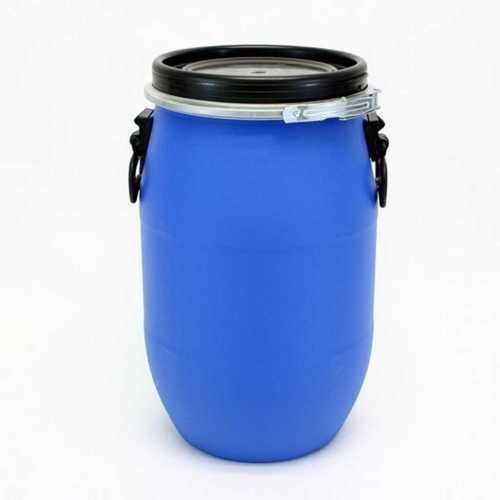
Tell us about your requirement

Price:
Quantity
Select Unit
- 50
- 100
- 200
- 250
- 500
- 1000+
Additional detail
Mobile number
Email


HEAL WATERTECH
All Rights Reserved.(Terms of Use)
Developed and Managed by Infocom Network Private Limited.
Developed and Managed by Infocom Network Private Limited.

